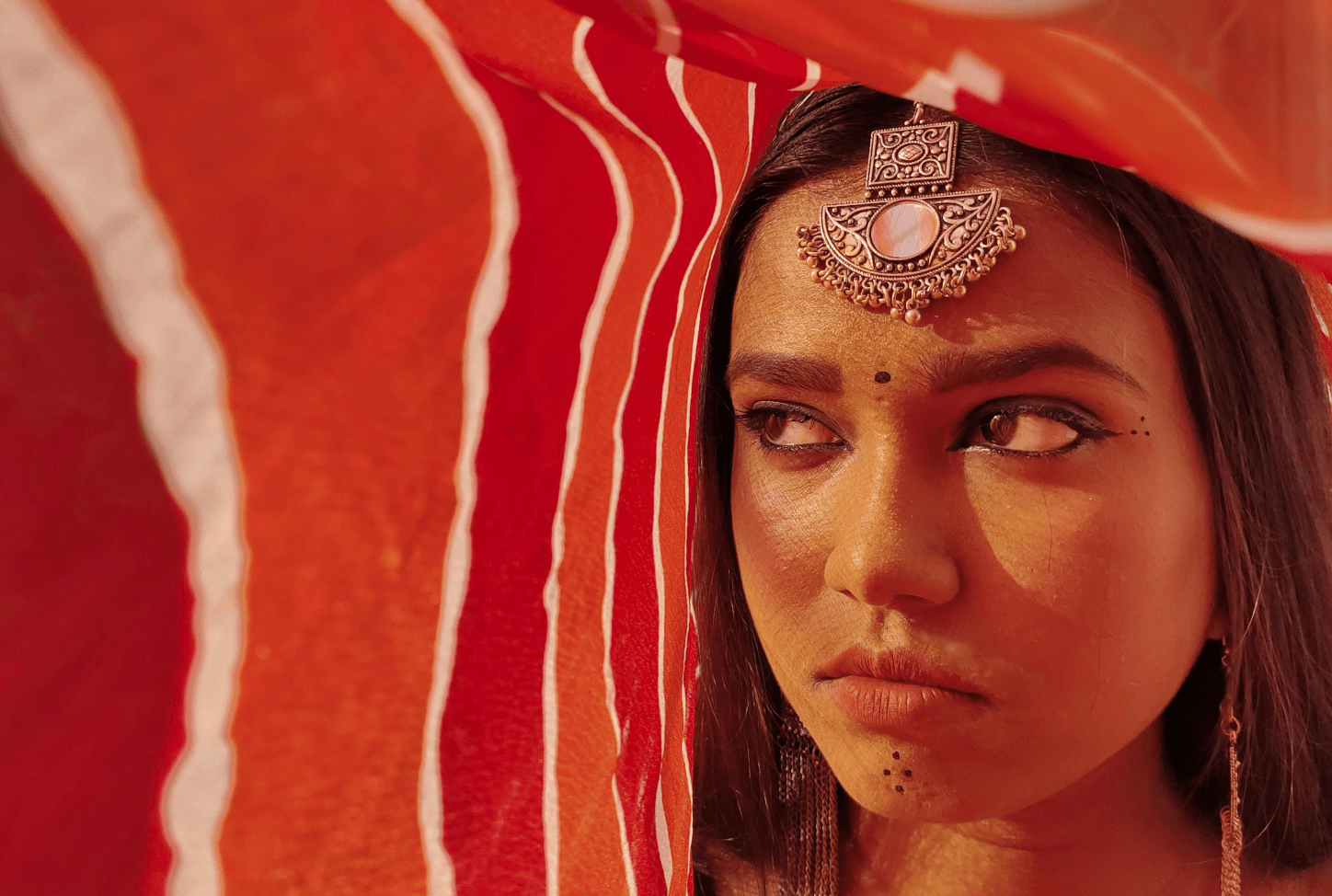
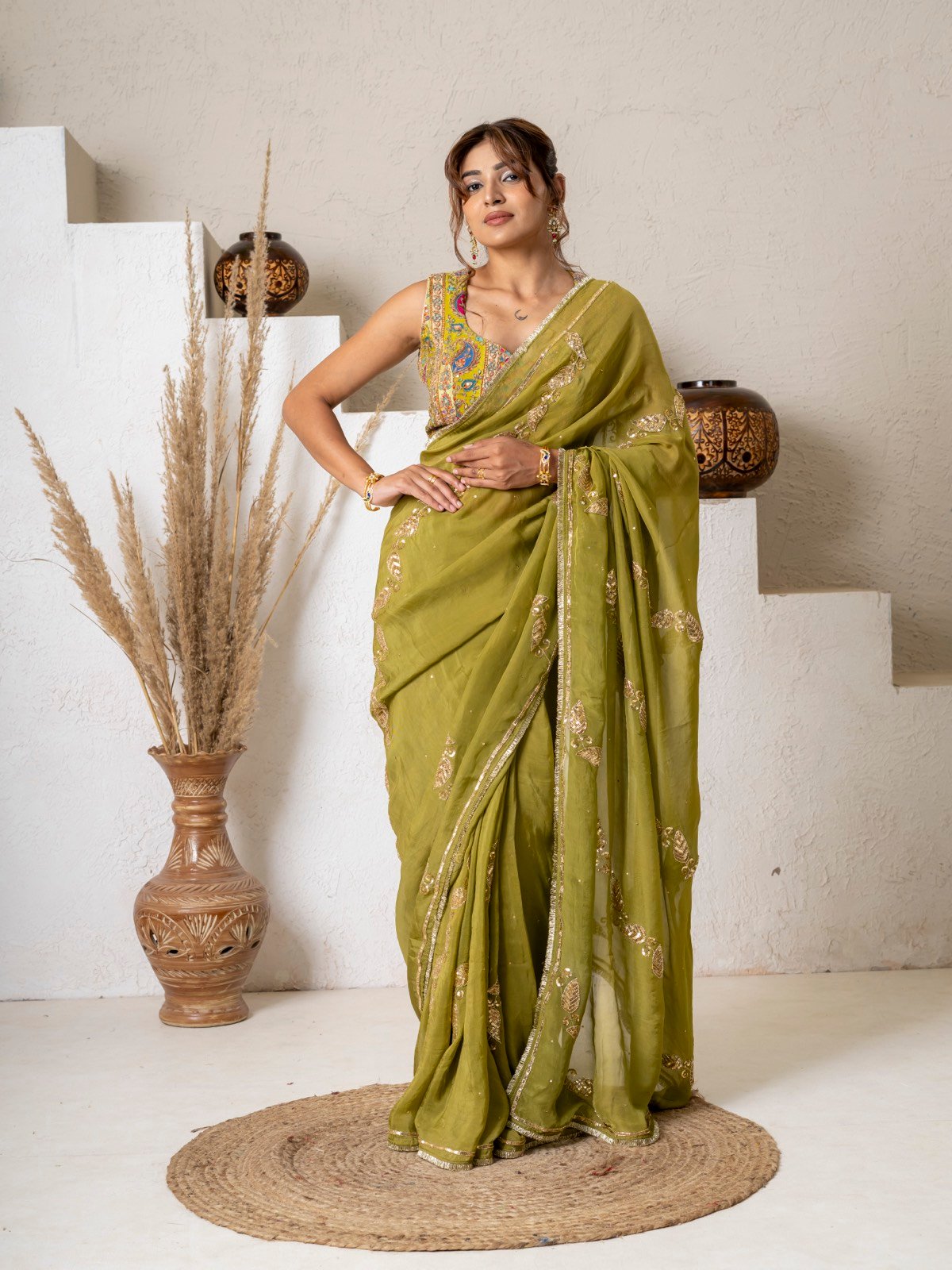


Leheriya translates to "waves", representing the welcome onset of the Indian monsoon in arid Rajasthan. The diagonal pattern is worn to invite prosperity, joy, and spiritual rebirth.
When Maharaja Sawai Jai Singh II founded the planned city of Jaipur in 1727, he invited master dyers, weavers, and jewelers from across India, granting them exclusive craft streets. Among the most revered were the Rangrejs and Chhipas — custodians of sacred water dyeing.
The Monsoon Symbolism of the Leheriya Wave
In the desert landscape of Rajasthan, rain is celebrated with poetic ecstasy. When dark monsoon clouds gather over the Aravalli peaks, women traditionally drape vibrant Mothra and Leheriya sarees to welcome Teej and celebrate the renewal of life.
“Each dye pot has its own temperament. On cloudy days the indigo deepens; under bright midday sun the madder red turns ruby. You work with the elements, never against them.”
— Master Ramesh Kumar, Jaipur Rangrej Guild
The Thousands of Fingertip Knots in Royal Bandhani
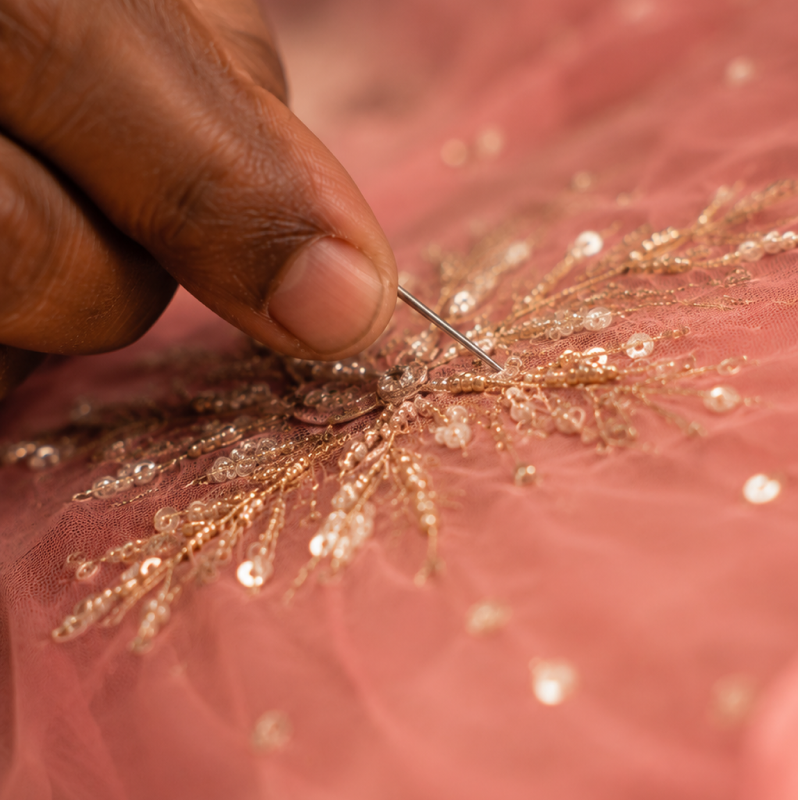
Bandhani requires women artisans to pinch microscopic dots of fabric with their fingernails and bind them with waxed thread. A single royal saree contains between 5,000 and 15,000 individually tied knots, taking up to 3 months of continuous devotion.
Natural Mineral & Plant Dyes of the Aravalli Hills
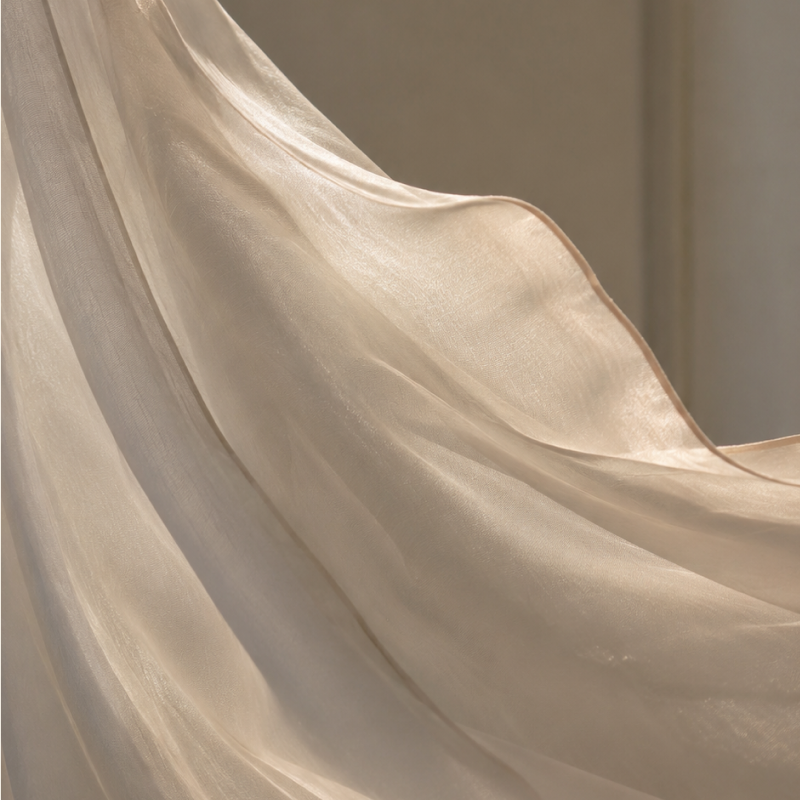
Pure turmeric roots, pomegranate rind (Nasphal), indigo leaves, and madder bark create a spectrum of luminous, earthy hues that chemical dyes cannot duplicate.
From Royal Courtyards to Global Runways
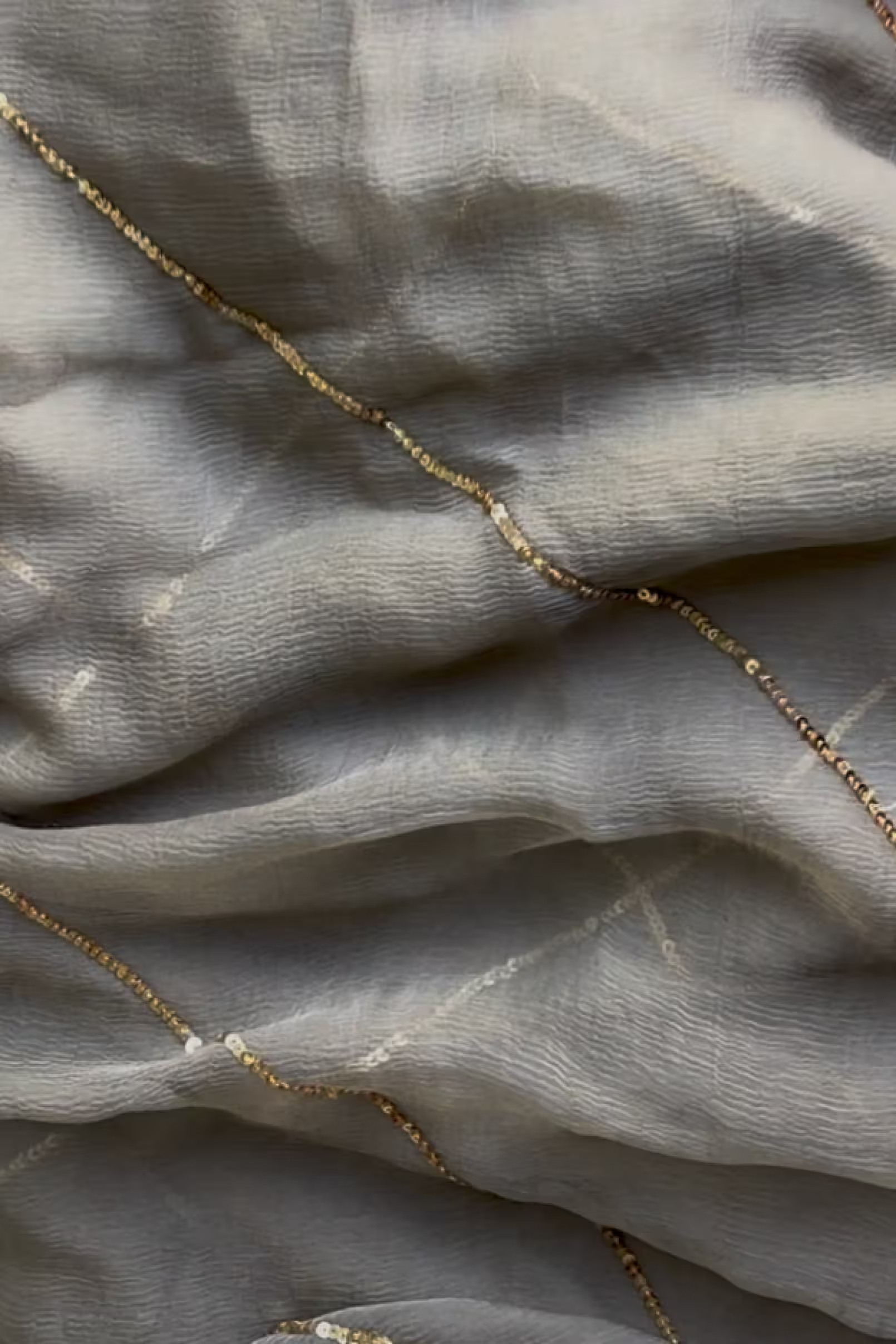
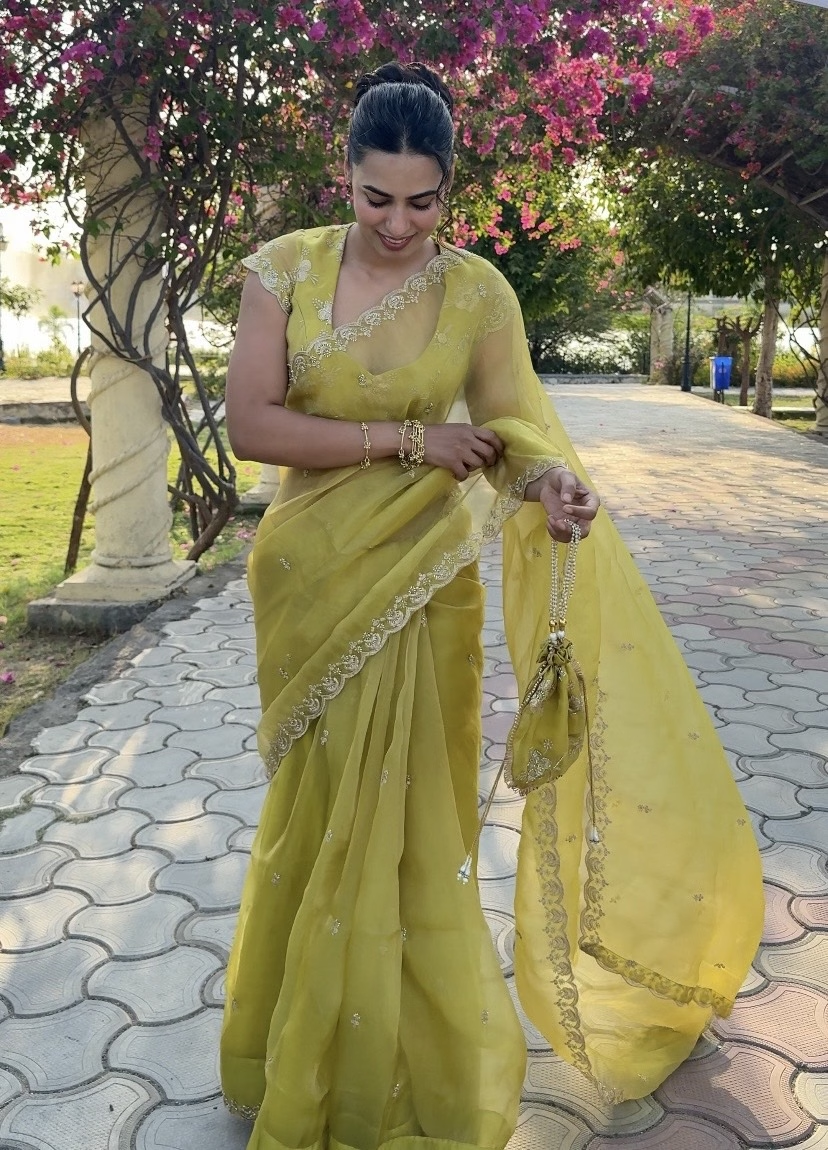
Today, Kainara preserves this living heritage by pairing authentic Jaipur resist-dyeing with featherlight Bemberg silk, bringing museum-grade craft to modern women across London, New York, Dubai, and Mumbai.

About Master Ramesh Kumar & Team
Leading Kainara's heritage atelier in Jaipur with 25+ years of mastery in royal resist-dyeing, Aari Taari, and bespoke bridal handlooms.