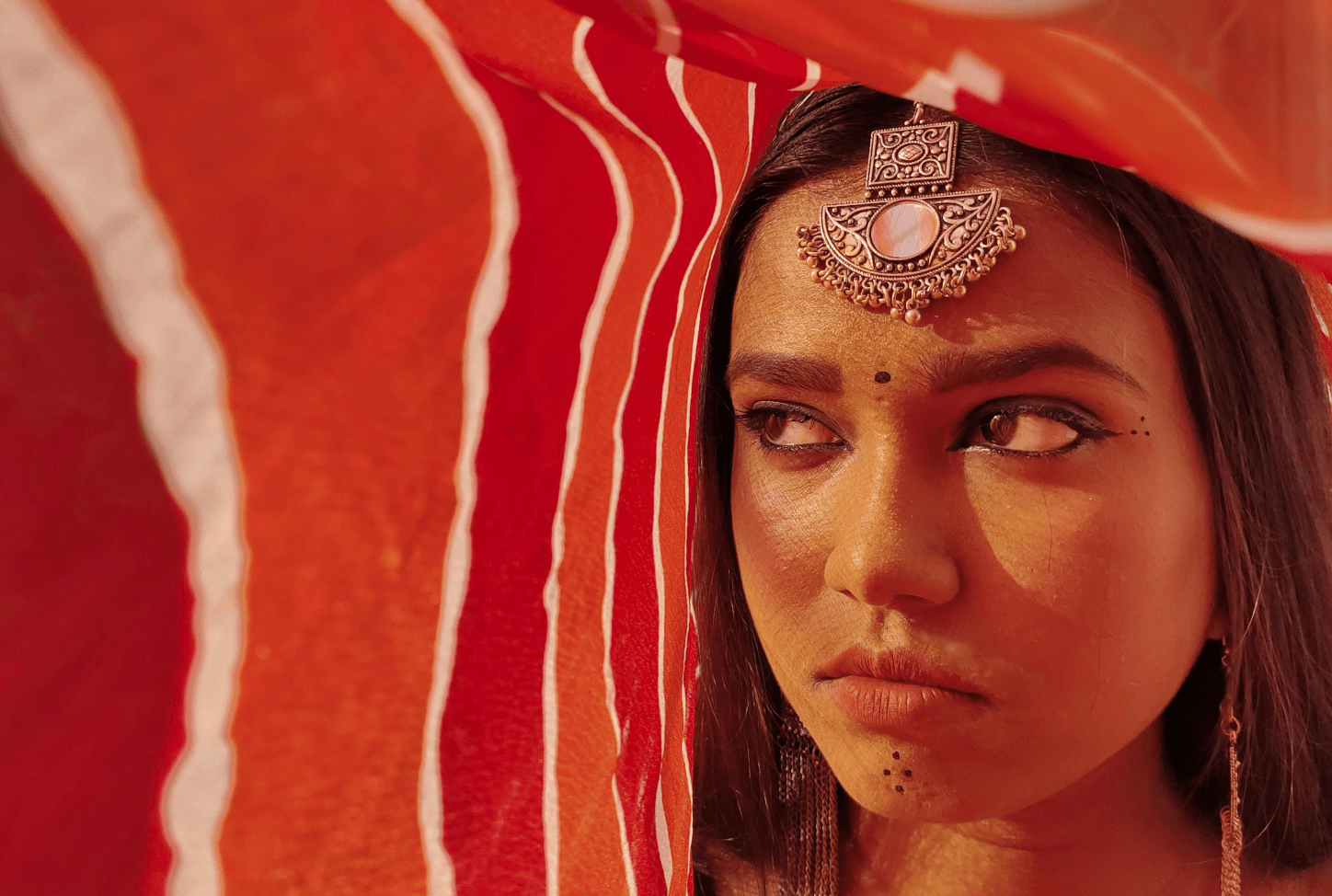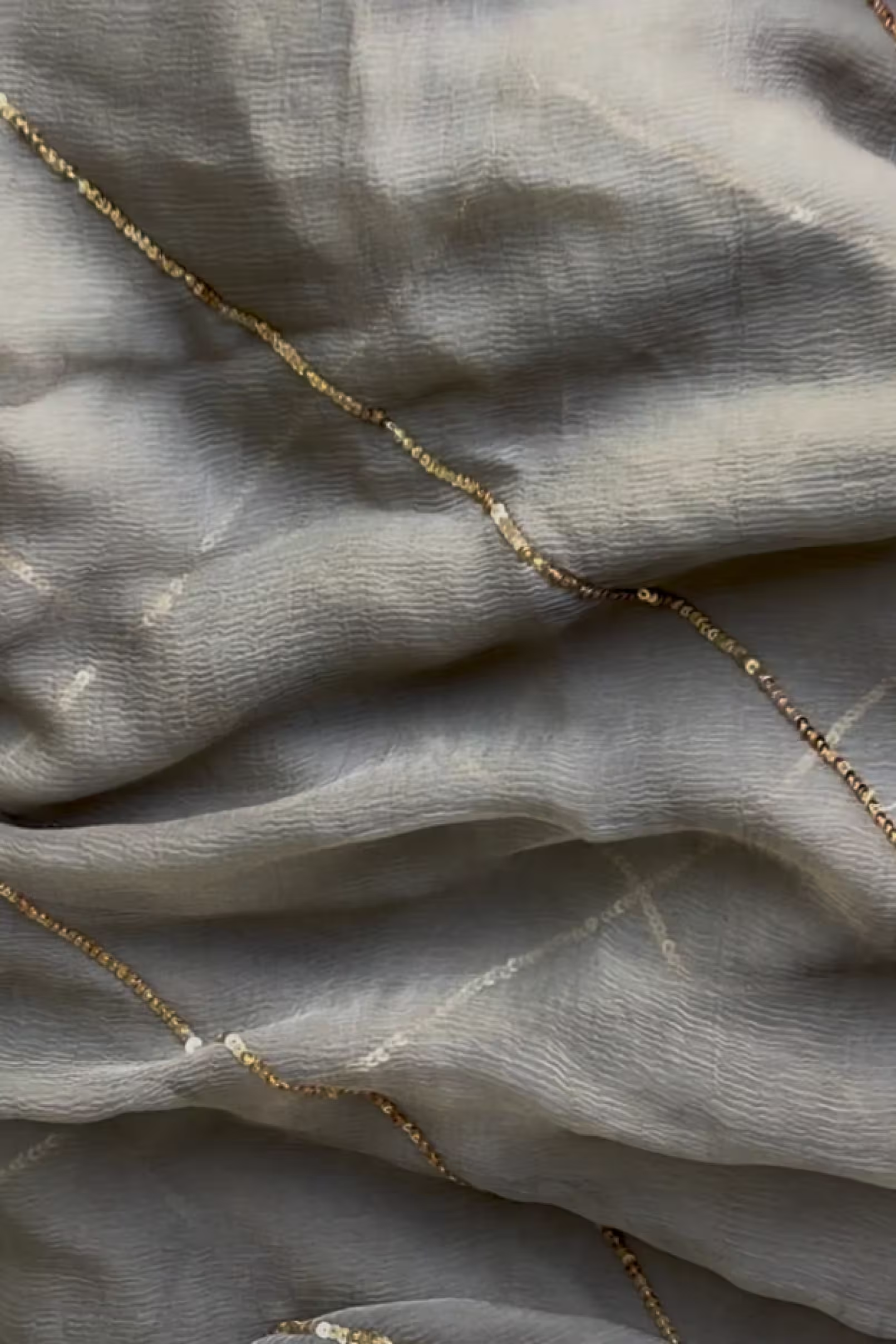
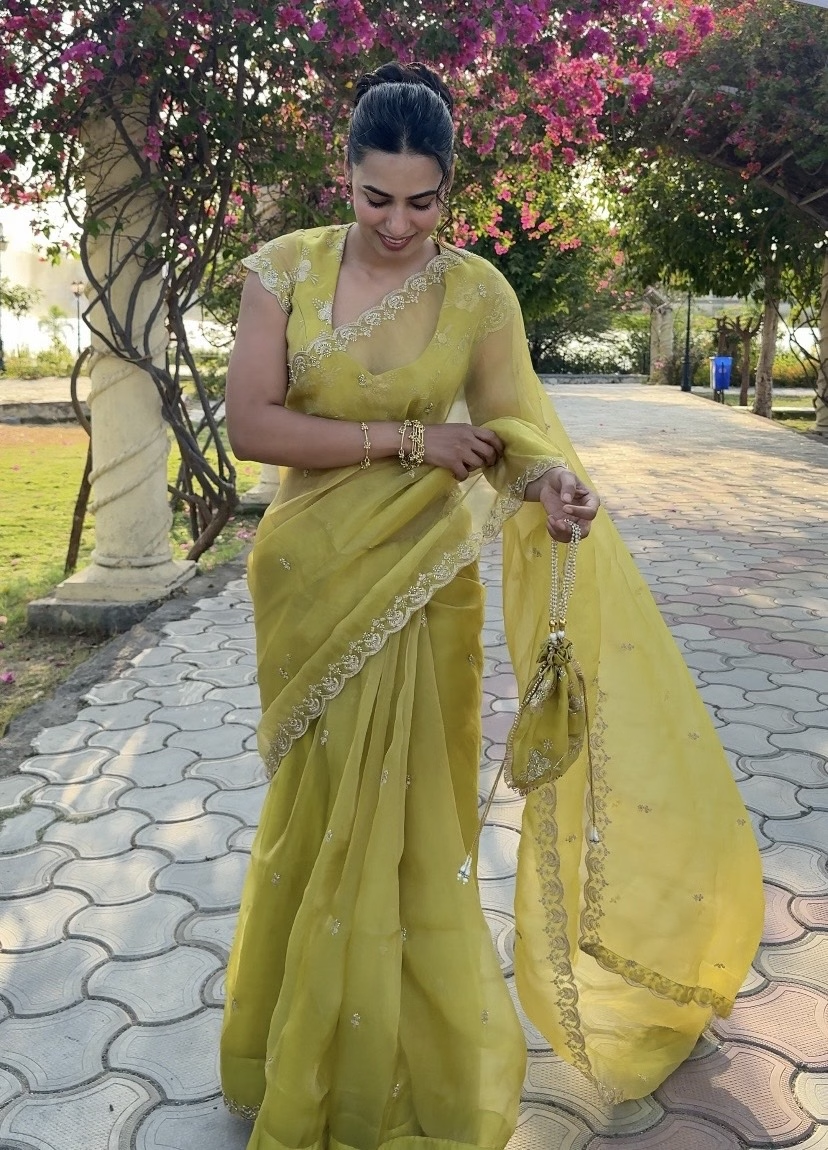
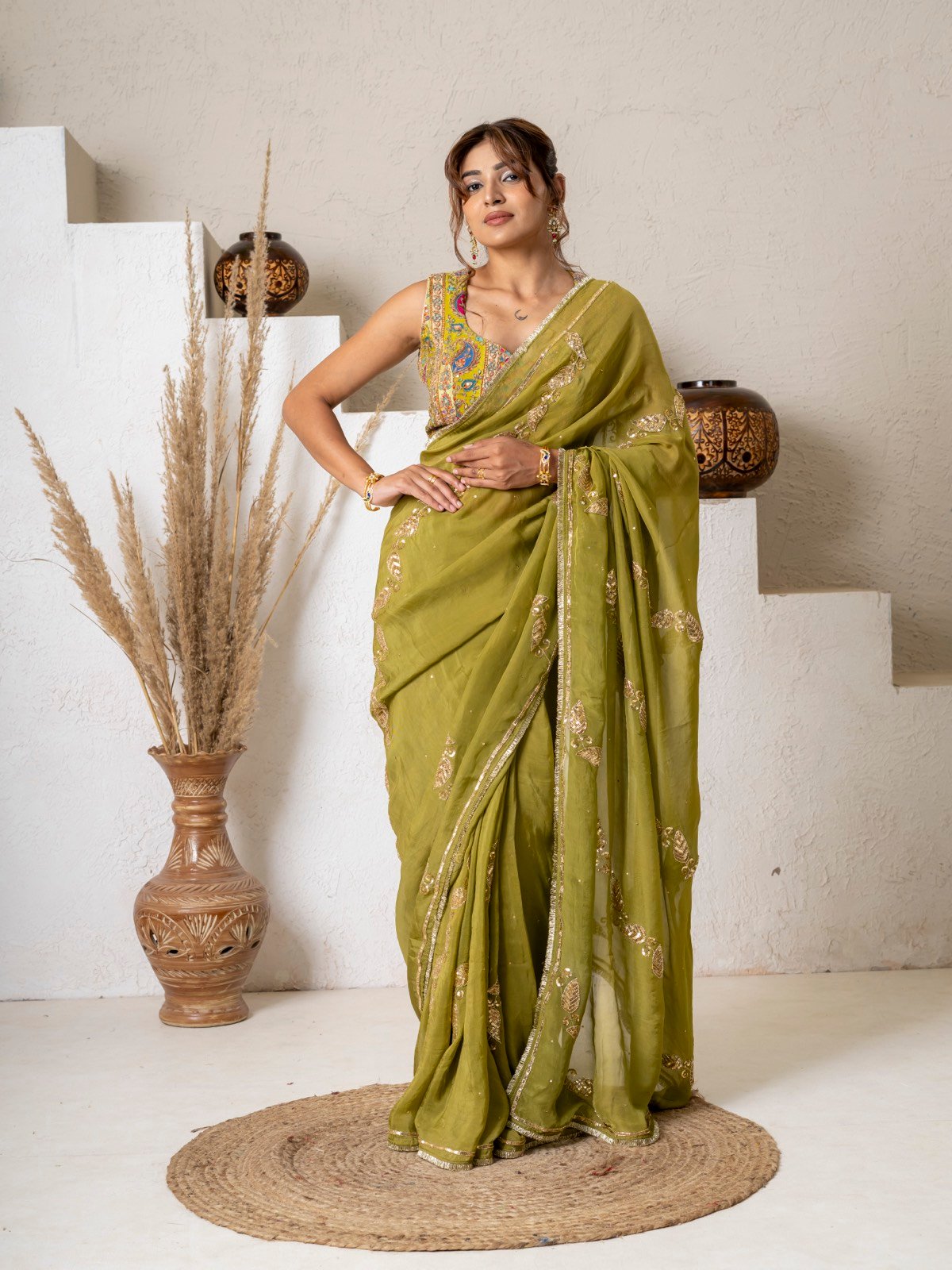

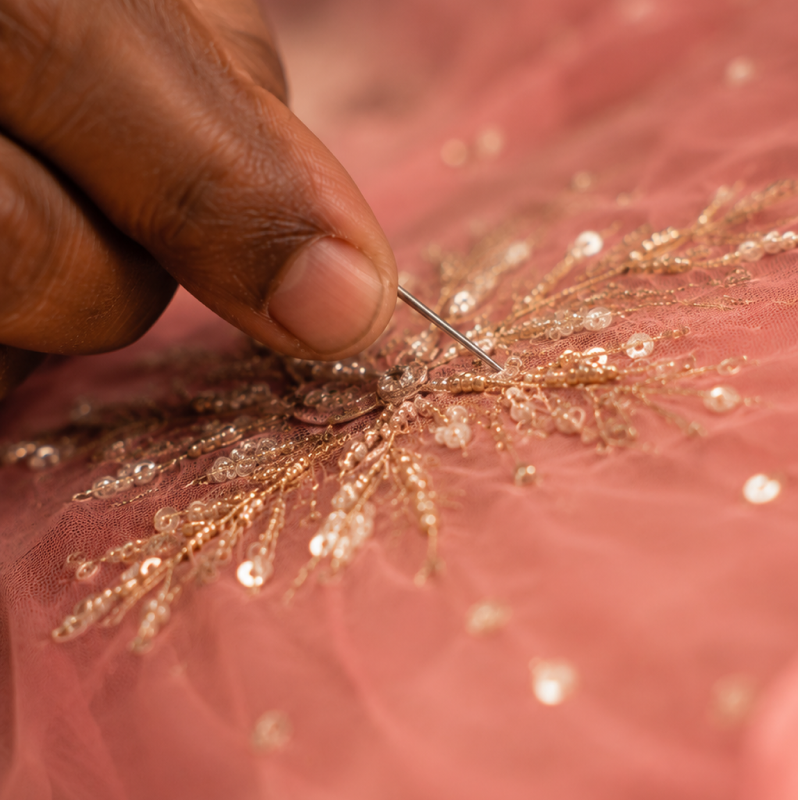
A genuine Kadhwa Banarasi saree requires two master weavers operating a pit loom for 4 to 8 weeks, with each floral buta hand-interlocked so there are no loose threads on the reverse.
Few textiles in human history command the reverence of an authentic Banarasi silk saree. Mentioned in ancient Buddhist texts and patronized by the grand Mughal courts of the 16th century, the Banarasi weave is an immortal testament to Indian craftsmanship.
The Legendary Kadhwa Weaving Technique
In commercial "Fekwa" weaving, the zari thread runs across the entire width of the saree and is cut away from the back. In pure "Kadhwa" weaving, the artisan hand-embroiders each individual motif directly on the loom, producing a pristine reverse side that will never snag or irritate delicate skin.
“A pure Banarasi saree does not age with time; it matures. Decades later, your granddaughter will open the cedar chest and feel the same majestic weight in her hands.”
— Pt. Radheshyam Mishra, 6th-Generation Varanasi Master Weaver
Real Zari vs. Plastic Metallic Lurex
Authentic zari begins with a core silk thread wrapped in pure silver alloy and electroplated with 24-karat gold. Cheap market imitations use plastic lurex that oxidizes into black streaks within two years. Kainara certifies authentic metallic wire testing on every piece.
Decoding Sacred Motifs: Shikargah, Jangla & Butidar
From the ancient Persian tree of life (Kalga) to the Mughal floral meenakari vines and royal hunting Shikargah scenes, every Banarasi motif carries centuries of spiritual and royal iconography.
Passing Down an Heirloom Banarasi Across Generations
Wrap your pure silk Banarasi in unbleached cotton muslin cloth. Never use plastic covers which trap residual moisture and trigger zari tarnishing.

About Master Ramesh Kumar & Team
Leading Kainara's heritage atelier in Jaipur with 25+ years of mastery in royal resist-dyeing, Aari Taari, and bespoke bridal handlooms.